Table of Contents
- Exploring the Fundamentals of Cellular Therapy
- Key Breakthroughs in Regenerative Medicine
- Harnessing Immunotherapy: From CAR T Cell Therapy to NK Cell Immunotherapy
- Navigating Clinical Trials and Gene Editing
- The Future Outlook in Biotechnology in Medicine
Exploring the Frontiers: Why Cellular Therapy is Reshaping Modern Medicine
The domain of Regenerative Medicine is currently undergoing a remarkable transformation, largely fueled by innovations in Cellular Therapy. This cutting-edge strategy uses viable cells to repair damaged tissues and organs. Biotechnology has a central role in this process, offering the techniques required to modify these cells successfully. In contrast to conventional pharmaceuticals, Cellular Therapy offers the potential for curative treatments rather than just alleviating symptoms. We are seeing unprecedented progress in this area. The convergence of biology and technology opens previously unavailable pathways for addressing intractable ailments. Grasping these ideas is vital for appreciating the scope of this healthcare revolution.
A Deeper Dive: Key Forms of Modern Cellular Therapy
Various groundbreaking therapies have come to the forefront within the umbrella of Cellular Therapy and Immunotherapy. These target illnesses at a cellular basis, providing new hope to sufferers. Among the most instances are:
- The advancement of CAR T Cell Therapy: A method where a patient's T-cells are reprogrammed to attack cancer.
- The use of MSC Stem Cell Therapy: Utilizing mesenchymal stem cells for their healing and immune-modulating properties.
- The potential of NK Cell Immunotherapy: Using Natural Killer (NK) cells to find and destroy cancerous cells.
- Cytotoxic T Lymphocytes Therapy: Administering specialized T-cells which are able to directly eradicate tumors.
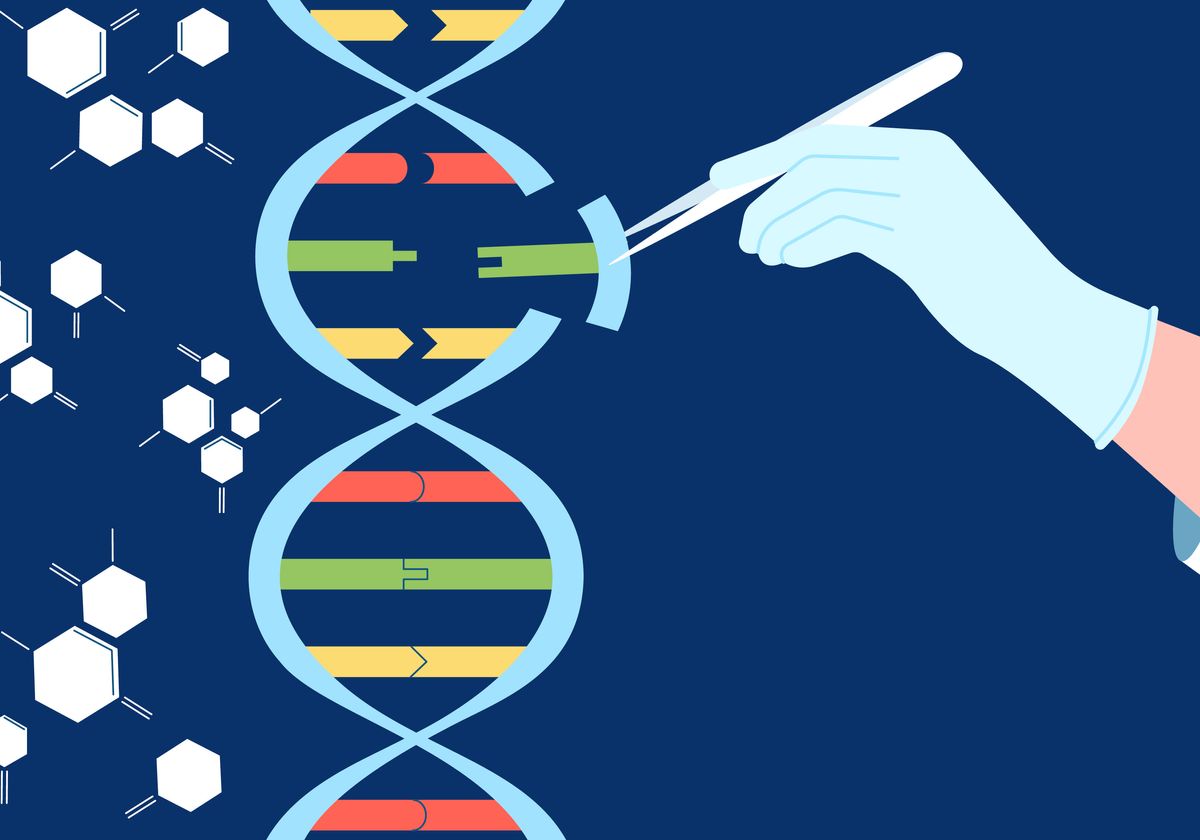
- Modern Gene Editing: Technologies like CRISPR which precisely correct DNA to address genetic diseases.
Each of these therapies signifies a huge step ahead in Biotechnology. The evolution is dependent on ongoing study.
"We stand at the very brink of a healthcare transformation. This advancement in Regenerative Medicine and Immunotherapy is not merely gradual; it is truly paradigm-shifting, offering tangible possibilities for healing that we formerly considered impossible."
The Critical Pathway to Approval: The Importance of Clinical Trials and Gene Editing
The whole progression from a novel Biotechnology discovery to a standard therapy relies heavily upon meticulous Clinical Trials. These critical investigations are necessary to assess the security and efficacy of new interventions like CAR T Cell Therapy. Concurrently, developments in Gene Editing are increasingly integral to this domain. This precise tool enables researchers to correct genetic errors at their very source. The ethical application of Gene Editing in the context of Clinical Trials is currently opening doors for bespoke treatments. Absent this validation process, even the advanced MSC Stem Cell Therapy or NK Cell Immunotherapy could not safely reach the public. Therefore, continued investment in both areas is absolutely essential for future healthcare innovations.
A Look at Select Treatment Approaches
| Modality Characteristic | CAR T Cell Therapy | MSC Stem Cell Therapy | NK Cell Immunotherapy |
|---|---|---|---|
| Primary Source | Autologous Immune Cells | Allogeneic or Autologous Umbilical Cord/Marrow | Patient or Donor NK Cells |
| Primary Action | Genetically Modified Targeting of Cancer | Healing & Immune Modulation | Innate Tumor-Killing Surveillance |
| Common Target | Leukemia/Lymphoma | Inflammatory Conditions | Multiple Malignancies (Solid & Liquid) |
"Being part of the Clinical Trials for MSC Stem Cell Therapy was a profound decision for my me. Following years of managing a chronic condition, this advanced Regenerative Medicine approach gave me genuine improvement. The medical staff were exceptionally supportive during the whole process. I feel this is the dawning of medicine. I am extremely grateful for the chance."
– Sarah K.
"My husband's battle with lymphoma led us to the cutting-edge world of Immunotherapy. The oncology team recommended CAR T Cell Therapy when other options had unfortunately failed. The sheer Biotechnology behind this is mind-blowing. Watching his own immune cells reprogrammed to fight the cancer was like witnessing a miracle. We are currently observing encouraging Browse around this site outcomes, all thanks to this powerful type of Cellular Therapy."
– David R.
Patient Experiences
"I living with debilitating inflammatory disorder for over a decade. Conventional medicines offered only fleeting help and brought harsh complications. My doctor eventually introduced exploring Regenerative Medicine, specifically MSC Stem Cell Therapy. I was initially apprehensive, but the potential was convincing. I and the outcomes have been nothing than miraculous. It wasn't instant, but steadily over weeks and months, my inflammation decreased, my energy returned, and quality of life has significantly been enhanced. This type of Cellular Therapy did not just mask my symptoms; it like it addressing the root cause. The innovation in Biotechnology are truly giving patients like me their lives back. I am forever grateful for the researchers pushing this incredible field ahead."
Frequently Asked Questions regarding Cellular Therapy & Immunotherapy
- Q: What exactly is the distinction betwixt Cellular Therapy and Immunotherapy?
A: Although they're very related, Immunotherapy is a category for therapies which utilize the patient's own immune system to fight disease (e.g., tumors). Cellular Therapy is a more specific form of this which entails infusing whole cells to a patient in order to elicit a curative effect. Many treatments, like CAR T Cell Therapy, are actually both. - Q: Are treatments like MSC Stem Cell Therapy or Gene Editing considered safe?
A: The safety of these treatments is primary concern of all ongoing Clinical Trials. While MSC Stem Cell Therapy has a robust safety record profile for specific applications, Gene Editing is a emerging technology with safety guidelines and oversight. Approval varies greatly by region and the specific disease that is treated. - Q: How Cytotoxic T Lymphocytes Therapy work differently from NK Cell Immunotherapy?
A: Both therapies utilize immune cells, but they belong to distinct branches of the immune system response. Cytotoxic T Lymphocytes Therapy are a component of the learned immune response, meaning they need to be activated to a very specific antigen (like a cancer cell). Natural Killer (NK) cells are of the immediate immune response, enabling them to recognize and eliminate stressed cells more broadly without previous sensitization.